



A supplement label can look impressive and still tell you very little about what is in the tub. Three checks separate quality products from risky ones. First, confirm the product is properly regulated in Australia: an AUST L or AUST R number on a medicine, or correct sports-food labelling on a powder. Second, look for independent batch testing from bodies such as Informed Sport or HASTA. Third, avoid “proprietary blends” that hide how much of each ingredient you actually get. This guide explains each check, lists the label red flags our pharmacists watch for, and shows how to apply them to protein, pre-workout, creatine and everyday vitamins. No supplement is risk-free, so if you take medication or compete in tested sport, speak to a pharmacist first.
Why supplement quality matters
A supplement is only as good as what is actually in the tub. Sport Integrity Australia warns that supplements may contain prohibited substances even when every listed ingredient is approved, and that some contain substances that are not on the label at all.
You do not need to be an athlete for this to matter. Unknown ingredients, wrong doses and hidden stimulants can affect anyone, especially people who take medication or are sensitive to caffeine.
That is why our pharmacists suggest a food-first approach, then a simple three-step check before you buy: regulation, testing and label transparency. The sections below take each in turn.
Step 1: Check how the product is regulated in Australia
In Australia a sports supplement is legally either a food or a medicine, and the TGA explains that this depends on its ingredients, claims and form. Protein powders, nutrition bars and energy drinks are generally regulated as foods. Products in pill, tablet or capsule form, or with higher-risk ingredients, are regulated as medicines.
That changes what you should look for on the pack:
| Product type | Regulated as | What to look for on the label |
|---|---|---|
| Powders, bars and drinks (protein, most pre-workouts, electrolytes) | Food, under FSANZ Standard 2.9.4 for sports foods | The name “Formulated Supplementary Sports Food”, a nutrition information panel and a stated one-day intake |
| Tablets, capsules and pills (magnesium, vitamin D, ashwagandha) | Listed medicine, regulated by the TGA | An AUST L number on the front of the pack |
| Higher-risk ingredients or stronger health claims | Registered or assessed listed medicine | An AUST R or AUST L(A) number, or a “TGA assessed” statement |
Two cautions. First, an AUST L number means the product is on the Australian Register of Therapeutic Goods, but the TGA states it has not assessed the scientific evidence for the product’s claims. Second, a capsule or tablet with no AUST L or AUST R number deserves a closer look, and a pharmacist can help you check it.
Sports foods also have legal limits. The NSW Food Authority notes that beta-alanine, for example, is capped at 1.2 g per one-day quantity, so check the serving size and one-day intake on products such as ATP Science Beta Alanine 250g. For capsule and tablet products, such as Caruso’s Super Magnesium Glycinate or Caruso’s Vitamin D3 1000IU, look for the AUST L number on the pack.
Step 2: Look for independent third-party testing
Third-party testing means an independent laboratory, not the brand, checks the product for banned or undeclared substances. Sport Integrity Australia names HASTA and Informed Sport as two major testers in Australia. They screen products including protein powders, creatine, pre-workouts and recovery products, test every batch and examine the manufacturing facility for contamination risk.
Other certifiers exist too, such as NSF Certified for Sport, and their testing models differ. Some test every batch, others monitor products on an ongoing basis, so it is worth reading how each programme works.
How to verify a certification claim
- Look for the certifier’s logo on the pack, then do not stop there.
- Search the exact product on the certifier’s website or app. The Sport Integrity app lists products tested by Informed Sport and HASTA.
- Match the batch number printed on your tub to the certified batch. Rugby Australia points out that batches of the same product can vary.
- Confirm it is the same product, flavour and size you are buying.
What third-party testing does not do
Batch testing lowers risk but does not remove it. Sport Integrity Australia states that batch-tested products do not guarantee a negative test, and that no supplement is 100% safe. Certification also focuses on contamination, not on whether a product works.
Be careful with assumptions. The International Testing Agency advises that a brand sponsoring professional athletes does not mean its products are batch-tested, and that some companies test only some of their range. Certification varies from product to product, so check each one.
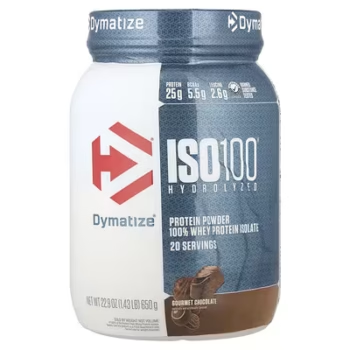
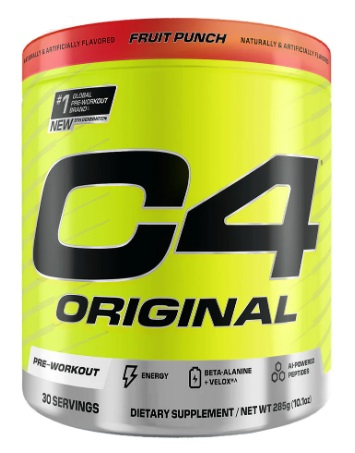
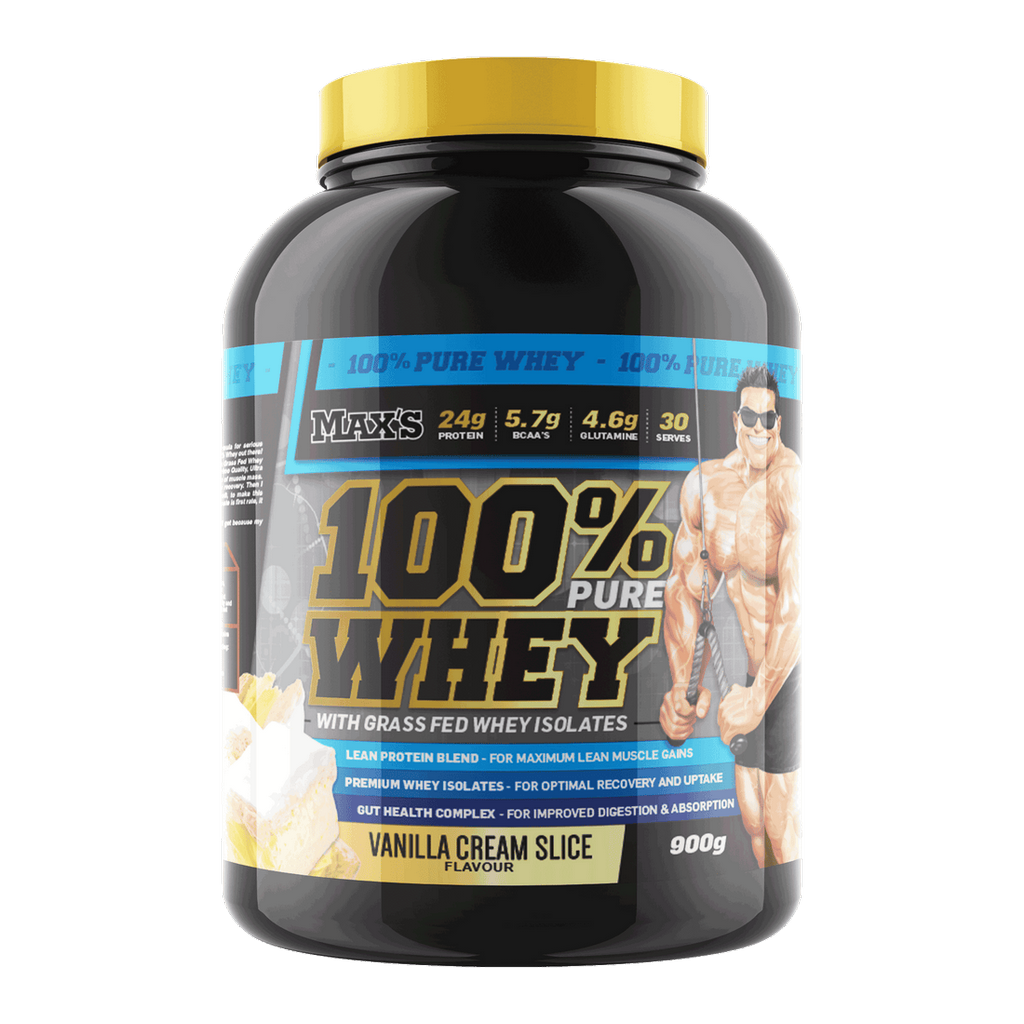
If you compete in tested sport, check products you are considering, such as Dymatize ISO100 Hydrolyzed Protein, Cellucor C4 Original Pre-Workout or Max’s 100% Whey Protein, against the certifier’s listing before you buy.
Step 3: Understand proprietary blends
A proprietary blend (sometimes called a matrix or complex) lists a group of ingredients under one name with a single combined weight. You can see what is in it, but not how much of each ingredient you are getting.
That matters for three reasons. You cannot tell whether any ingredient is present at a useful dose. You cannot compare one product with another. And for stimulant products, you cannot easily work out your total caffeine intake per serve.
| What you want to check | Transparent label | Blend label |
|---|---|---|
| Dose of each active ingredient | Listed per serve | Hidden inside a combined total |
| Comparing two products | Straightforward | Guesswork |
| Total caffeine per serve | Stated clearly | Can be unclear |
| Checking against your medication | Easier for your pharmacist | Harder to assess |
How to read a pre-workout label
Single-ingredient products are the easiest to judge, because there is one ingredient and one dose. Examples include ATP Science L-Citrulline Malate 250g and ATP Science Beta Alanine 250g, or anything in our creatine range.
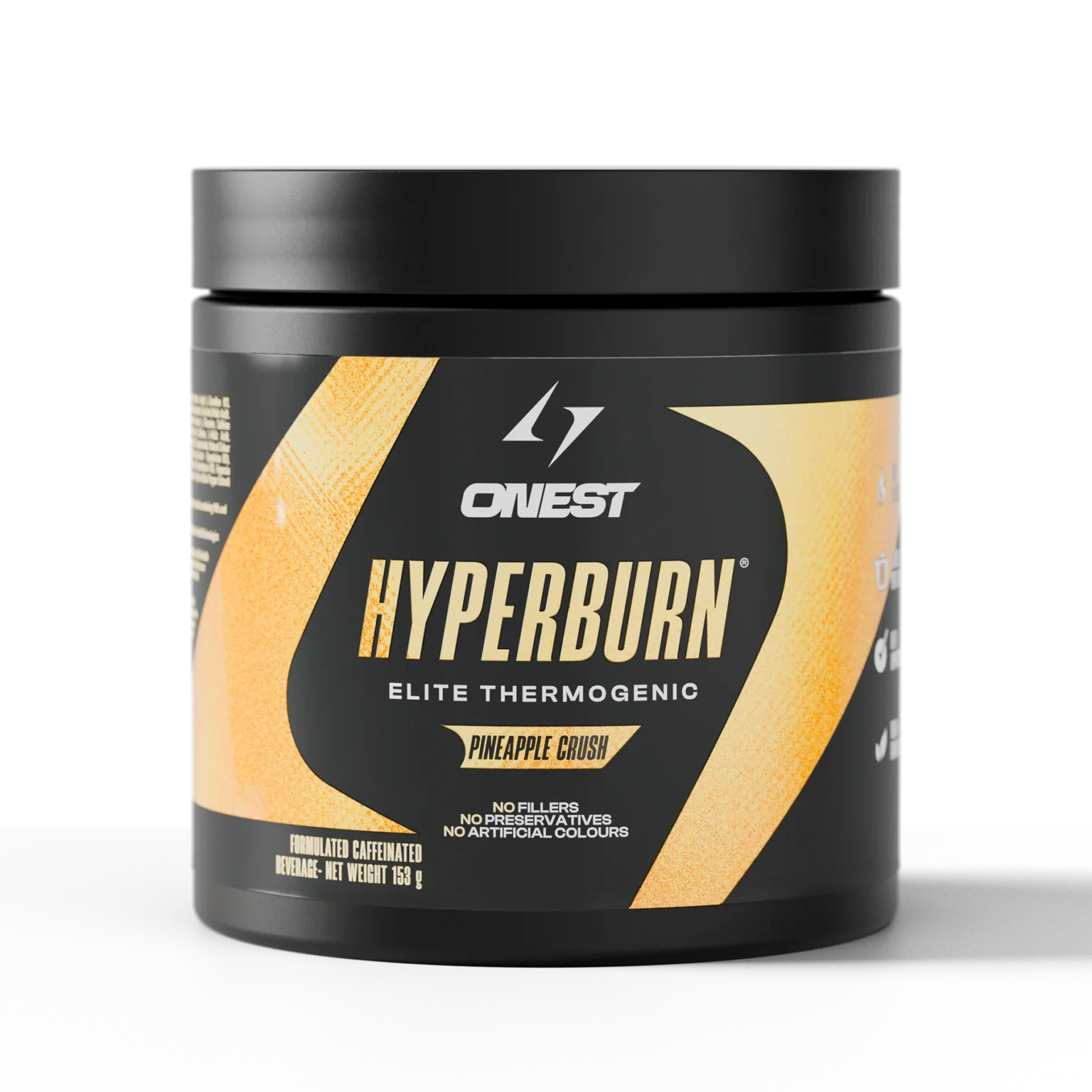
Multi-ingredient formulas need more attention. When you look at products in our pre-workout range, such as Zombie Labs PUMPZ Non-Stim, Redcon1 Total War or Onest Hyperload Elite, check whether each ingredient shows its own amount per serve. If a group of ingredients shares one total, you cannot judge the dose.
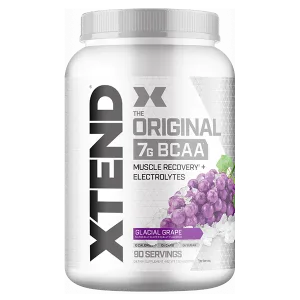
The same applies to amino acid products such as Scivation Xtend Original BCAA. Look for a per-serve amount for each amino acid rather than one headline figure.
Label red flags to watch for
Even a product that passes the three steps can have problems on the label. These are the warning signs our pharmacists look for.
- Miracle claims. Words like “guaranteed”, “melts fat” or “detox” are marketing, not evidence. Honest labels use realistic language.
- Claims of hormone-like effects. The TGA treats products with drug-like effects, including changes to hormone levels, as higher risk. Be especially cautious with “testosterone booster” style products.
- No AUST L or AUST R number on a capsule or tablet. Ask a pharmacist to help you check it before you buy.
- No Australian supplier details. A trustworthy product shows who supplies it and how to contact them, plus directions for use, warnings and an expiry date.
- Hidden amounts. If key ingredients sit inside a blend with only a total weight, you cannot judge the dose.
- Unfamiliar stimulants or chemical names. Sport Integrity Australia lists higenamine, DMBA and octodrine among ingredients that have turned up in failed tests and warns that manufacturers may use alternative names, so be wary of chemical names and plant extracts you do not recognise.
- Stacked stimulants with no clear total. Caffeine plus other stimulants, with no stated total per serve, makes it hard to know what you are taking.
- Unusual sellers. Products from marketplace sellers or overseas imports are harder to trace. Buy from a reputable Australian retailer.
- Damaged or loose seals. If the safety seal is broken or the pack looks tampered with, do not use it.
A 60-second label check before you buy
Use this quick routine in store or online. It works for any product in our sports supplements range.
- Check the type. Powders should show “Formulated Supplementary Sports Food” and a nutrition information panel. Capsules and tablets should show an AUST L or AUST R number.
- Look for testing. Find an Informed Sport or HASTA logo, then verify the batch on the certifier’s site or app.
- Check each dose. Every active ingredient should have its own amount per serve.
- Find the caffeine total. Any stimulant content should be clearly stated per serve.
- Test the claims. Realistic wording is a good sign. Miracle promises are not.
- Check the basics. Supplier details, directions, warnings and an expiry date should all be there.
- Ask a pharmacist. If you take medication or have a health condition, get a second opinion before you start.
Good places to practise are our protein range, which includes Dymatize Elite 100%, our protein snacks and shakes, our hydration range and our vitamins and dietary supplements.
When to take extra care
A quality label does not make a supplement right for everyone. Speak to a pharmacist or doctor first if any of these apply.
- You take medication. Stimulants such as caffeine may interact with some medicines, including certain medicines for blood pressure, anxiety, depression and ADHD. Vitamin K products, such as Caruso’s Vitamin K2, can interfere with blood thinners like warfarin.
- You are pregnant, breastfeeding or have a health condition. Many supplements have not been studied well in these situations.
- You are buying for a teenager. Formulated supplementary sports foods are designed for adult sports people and are not suitable for children, so ask before giving any to a young person.
- You compete in tested sport. Athletes are responsible for whatever is found in their body. Sport Integrity Australia suggests asking a doctor or pharmacist whether a registered medicine is available, because these carry a much lower risk of contamination and can be checked with certainty on Global DRO.
For most people, food comes first. Supplements work best as a small addition to a balanced diet, not a replacement for one.
Not sure what is in your tub? Ask our pharmacists
Bring your current supplement to Pharmacy Junction in Westfield Parramatta (Shop 5020, Level 5, 159-175 Church St) or call (02) 9633 2238, and our pharmacists will go through the label with you. They can check for an AUST L number, explain what is in the formula and flag anything that could clash with your medication. Prefer to shop from home? Browse our sports supplements, pre-workouts, protein and vitamins online, or contact us with any questions.
Frequently Asked Questions
AUST L means the product is listed on the Australian Register of Therapeutic Goods as a low-risk medicine. The TGA states that it has not assessed the scientific evidence for the claims of an AUST L product before it is sold. AUST R and AUST L(A) products have stronger assessment.
Usually not. The TGA says protein powders, nutrition bars and energy drinks are generally regulated as foods. Sports foods are covered by FSANZ Standard 2.9.4, while capsules, tablets and products with higher-risk ingredients are regulated as medicines.
It means an independent laboratory checks the product for banned or undeclared substances. In Australia, HASTA and Informed Sport are two major testers. Results are linked to specific batch numbers.
No. Batch testing lowers the risk but does not remove it, and Sport Integrity Australia states that no supplement is 100% safe. It also focuses on contamination, not on whether the product works.
A proprietary blend lists several ingredients under one total weight without showing each amount. It is not automatically unsafe, but it stops you judging the dose or comparing products. Where you have a choice, a label that lists each ingredient’s amount is easier to trust.
Search the exact product on the certifier’s website or in the Sport Integrity app, then match the batch number on your pack to the certified batch. A logo alone is not enough.
It depends on both the medicine and the product. Caffeine and other stimulants may interact with some medicines, so ask a pharmacist to check the label against your medication before you start.
Not necessarily. Price alone tells you little. Compare the dose per serve, label transparency, regulation and testing, and work out the cost per serve rather than per tub.
Children, and anyone who is pregnant or breastfeeding or has a health condition, should speak to a doctor or pharmacist first. People who take regular medication should do the same.




