



Maintaining good health starts with a balanced diet, regular physical activity, quality sleep, and proper hydration. However, many people find it difficult to meet all their nutritional requirements through food alone. Busy lifestyles, dietary restrictions, age related changes, and certain health conditions can make it challenging to obtain the right balance of vitamins and minerals every day. This is where multivitamins can play a supportive role.
With countless options available on the market, choosing the right multivitamin can feel overwhelming. Different formulations are designed for different age groups, lifestyles, and health goals. Understanding what to look for can help you make a more informed decision and ensure you select a product that aligns with your individual needs.
What Is a Multivitamin?

A multivitamin is a dietary supplement that contains a combination of vitamins, minerals, and sometimes other beneficial nutrients. These supplements are designed to help fill nutritional gaps and support overall health and wellbeing.
Multivitamins typically contain essential nutrients such as:
- Vitamin A
- Vitamin C
- Vitamin D
- Vitamin E
- Vitamin K
- B group vitamins
- Calcium
- Magnesium
- Zinc
- Iron
- Selenium
The exact ingredients and amounts can vary significantly between products, making it important to choose one that matches your specific requirements.
Why Do People Take Multivitamins?
People choose multivitamins for a variety of reasons. Some use them to support general health, while others may have increased nutritional needs due to age, lifestyle, or dietary choices.
Common reasons for taking multivitamins include:
- Supporting overall wellbeing
- Filling nutritional gaps in the diet
- Supporting immune health
- Promoting healthy energy levels
- Supporting bone health
- Assisting healthy ageing
- Supporting cognitive function
- Addressing increased nutritional demands during certain life stages
While multivitamins can be beneficial, they should not replace a balanced and nutritious diet.
Consider Your Age and Life Stage
One of the most important factors when choosing a multivitamin is your age and life stage. Nutritional requirements change throughout life, and many multivitamins are formulated to address these specific needs.
Children and Teenagers
Growing children and teenagers require adequate vitamins and minerals to support healthy development. Nutrients such as vitamin D, calcium, iron, and B vitamins are particularly important during periods of rapid growth.
Adults
Adult multivitamins are generally designed to support overall health and energy production while helping maintain normal body functions.
Adults Over 50
As people age, their nutritional needs often change. Older adults may benefit from increased levels of vitamin D, vitamin B12, and calcium to support bone health and healthy ageing.
Pregnancy and Breastfeeding
Pregnant and breastfeeding women have unique nutritional requirements. Specialised prenatal vitamins typically contain important nutrients such as folic acid, iron, iodine, and other vitamins that support both mother and baby.
Assess Your Diet
Before choosing a multivitamin, consider the foods you eat regularly. Understanding your dietary habits can help identify potential nutrient gaps.
For example:
- Vegetarians and vegans may need additional vitamin B12, iron, zinc, and vitamin D.
- Individuals who avoid dairy products may require additional calcium and vitamin D.
- People following restrictive diets may benefit from broader nutritional support.
- Those with limited fruit and vegetable intake may need additional vitamins and antioxidants.
A multivitamin should complement your diet rather than compensate for consistently poor eating habits.
Identify Your Health Goals
Different multivitamins are formulated to support different health objectives. Identifying your primary health goals can help narrow your options.
Immune Support
Look for formulations containing:
- Vitamin C
- Vitamin D
- Zinc
- Selenium
These nutrients play important roles in supporting normal immune system function.
Energy Support


If you often feel tired or run down, consider multivitamins that contain:
- B group vitamins
- Iron
- Magnesium
These nutrients are involved in energy metabolism and normal body function.
Bone Health
For bone health support, key nutrients include:
- Calcium
- Vitamin D
- Magnesium
- Vitamin K
Heart Health
Some multivitamins may include nutrients that support cardiovascular health, including certain B vitamins and antioxidants.
Check the Nutrient Levels
More is not always better when it comes to vitamins and minerals. High doses of certain nutrients may not provide additional benefits and could potentially cause unwanted effects.
When reviewing a multivitamin label:
- Compare nutrient levels to recommended daily intake guidelines.
- Avoid unnecessarily high doses unless recommended by a healthcare professional.
- Check whether the product provides a balanced range of nutrients.
- Ensure the formula aligns with your age and gender requirements.
A well balanced multivitamin is often a better choice than one that contains excessive amounts of specific nutrients.
Consider Gender Specific Formulas
Many manufacturers offer multivitamins designed specifically for men or women.
Women’s Multivitamins

Women’s formulas often contain:
- Iron
- Calcium
- Folic acid
- Vitamin D
These nutrients help address common nutritional needs among women.
Men’s Multivitamins
Men’s formulas may focus on:
- Zinc
- Magnesium
- B vitamins
- Antioxidants
Some products also contain nutrients that support healthy ageing and general wellbeing.
Look for Quality and Reputable Brands
Not all supplements are created equal. Choosing products from trusted manufacturers can provide greater confidence in product quality and ingredient accuracy.
When evaluating a multivitamin:
- Choose reputable brands with a strong track record.
- Check for quality assurance standards.
- Review ingredient transparency.
- Look for products manufactured according to recognised industry standards.
Reading customer reviews and seeking professional advice can also help guide your decision.
Consider Additional Ingredients
Some multivitamins include additional ingredients beyond vitamins and minerals.
These may include:
While these ingredients may offer additional benefits, it is important to determine whether they are necessary for your individual health goals.
Be Aware of Potential Interactions
Certain vitamins and minerals can interact with medications or medical conditions. For example:
- Vitamin K may affect blood thinning medications.
- Calcium can interfere with the absorption of certain medications.
- Iron supplements may not be suitable for everyone.
If you take prescription medications or have existing health conditions, consult a healthcare professional before starting a new supplement.
Do You Need Iron?
Iron is an important nutrient, but not everyone requires additional supplementation.
People who may benefit from iron containing multivitamins include:
- Women of reproductive age
- Pregnant women
- Individuals with diagnosed iron deficiency
Others may not need extra iron and could be better suited to iron free formulations.
Tablet, Capsule, Gummies, or Powders?
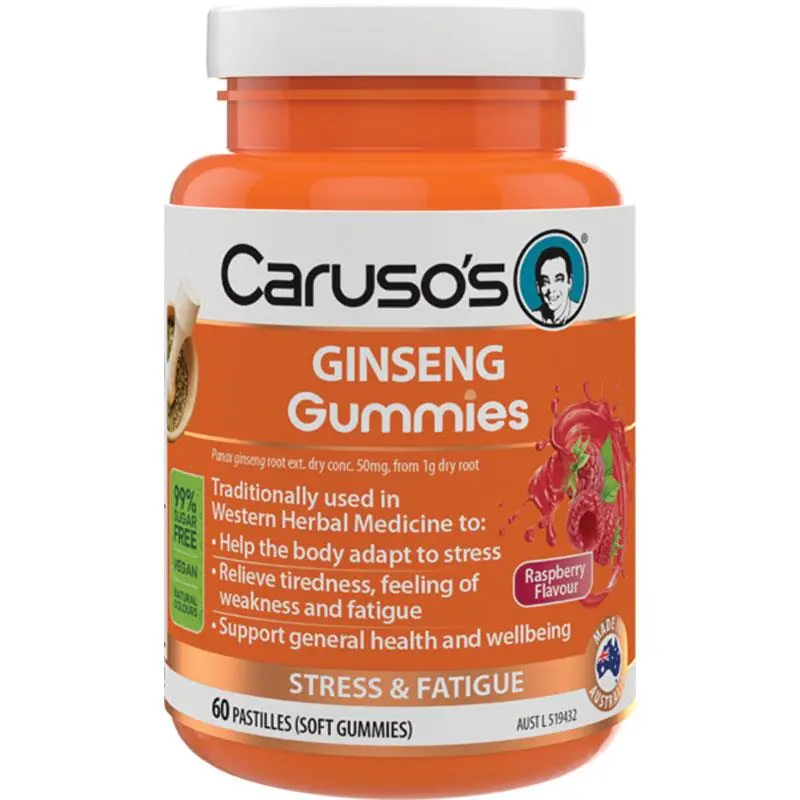

Multivitamins are available in various forms.
Tablets and Capsules
These are among the most common and often provide a comprehensive range of nutrients.
Gummies
Gummies can be convenient and pleasant tasting but may contain added sugars and sometimes fewer nutrients.
Powders
Powdered supplements can be mixed into drinks and may be suitable for individuals who have difficulty swallowing tablets.
Choose a format that fits comfortably into your daily routine, as consistency is key to achieving potential benefits.
Common Mistakes to Avoid
When selecting a multivitamin, avoid these common mistakes:
- Choosing products based solely on marketing claims
- Assuming expensive products are always better
- Taking multiple supplements without checking nutrient overlap
- Ignoring ingredient labels
- Using supplements as a replacement for healthy eating
- Taking excessive doses without professional advice
Making informed decisions can help maximise the value of your supplementation routine.
Final Thoughts
Choosing the right multivitamin involves more than simply selecting the first product you see on the shelf. Factors such as age, lifestyle, dietary habits, health goals, and existing medical conditions all play a role in determining which supplement may be most appropriate for you.
A high quality multivitamin can help support overall health and fill nutritional gaps when used alongside a balanced diet and healthy lifestyle. By understanding your individual needs and carefully reviewing product labels, you can make a more confident choice that supports your long term wellbeing.
If you are unsure which multivitamin is right for you, consider speaking with a healthcare professional who can provide personalised guidance based on your unique health circumstances.
Frequently Asked Questions
No. Multivitamins are intended to supplement a healthy diet, not replace it. Whole foods provide a wide range of nutrients, fibre, and beneficial compounds that supplements cannot fully replicate.
For most healthy adults, taking a multivitamin as directed is generally considered safe. Always follow the manufacturer’s instructions and seek professional advice if you have health concerns.
The timeframe varies depending on the individual and their nutritional status. Some people may notice improvements in energy or wellbeing within a few weeks, while others may require longer periods.
Many multivitamins are best taken with food, as this can improve the absorption of certain nutrients and reduce the likelihood of stomach discomfort.
It depends on the nutrients involved. Taking multiple supplements may result in excessive intake of certain vitamins or minerals. Consult a healthcare professional before combining supplements.




