



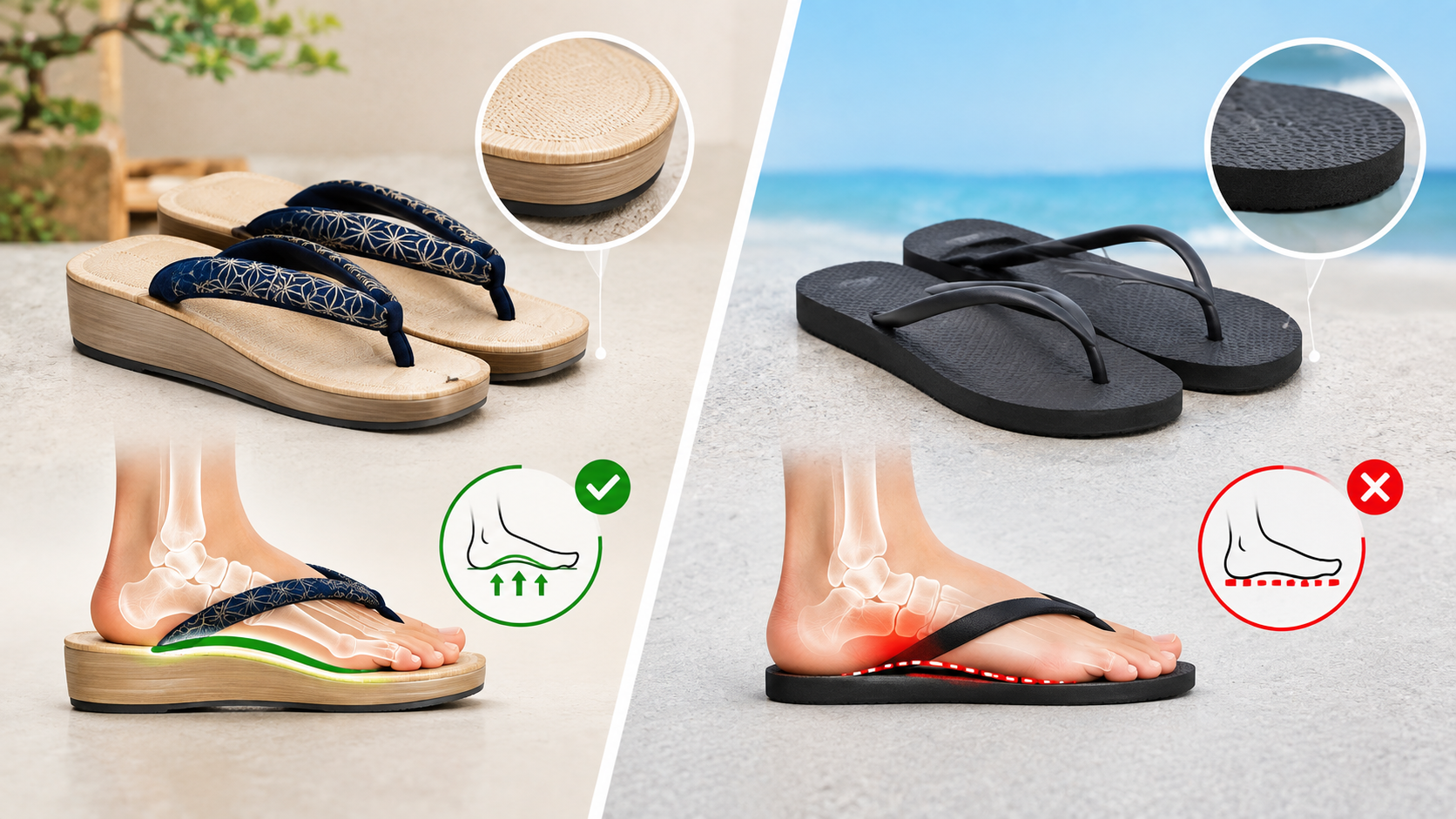
Zori Sandals vs Regular Thongs: What’s the Orthopedic Difference?
At first glance, a pair of Zori sandals and a pair of regular thongs look almost identical — both have a toe post, both slip on in seconds, and both are built for warm weather and easy wear. But if you’ve ever finished a day in cheap thongs with aching arches or a sore heel, you already know the two aren’t built the same.
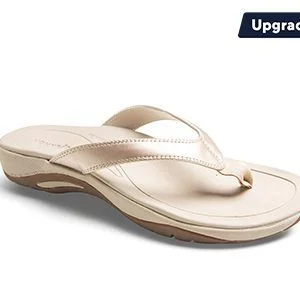
The difference between Zori sandals and regular thongs comes down to what’s happening underneath your foot. At Pharmacy Junction, our Neat Zori orthotic thongs range is built with a contoured, arch-supporting footbed, a padded and breathable strap, and a reinforced toe piece, features that give it genuine orthopedic benefit rather than the flat, unsupportive base you get with a standard thong. Regular thongs, by contrast, are usually made from a single piece of moulded rubber or EVA foam with a flat sole and basic toe post, which is fine for a quick walk to the letterbox but offers little arch support, heel cushioning or structure over a full day. That difference matters most if you’re on your feet for long stretches, manage heel or arch pain, have flat feet, or are recovering from a foot procedure, though plenty of people simply choose Zori sandals because they’re more comfortable for everyday wear. If you need more structured, closed-in support instead, our Homyped orthopedic footwear range is worth a look too. Below, we’ll break down each of these differences in more detail, along with how to size and fit your Zori sandals correctly and whether the extra cost is worth it.
What Are Regular Thongs Actually Built For?
Most thongs sold in supermarkets, department stores, and casual shoe shops are built for one thing: getting from A to B on a warm day. They’re typically made from a single piece of moulded rubber or EVA foam, with a flat, unshaped footbed and a basic toe post.
That flat design might feel fine for a quick walk to the letterbox, but it offers almost nothing in the way of:
- Arch support, a flat sole lets your foot roll and flatten with every step
- Heel cushioning, most cheap thongs have little to no shock absorption at the heel strike
- Structure, there’s nothing to stop your foot sliding forward or your toes gripping to stay on
This is why regular thongs are often the footwear podiatrists warn against for anyone who’s on their feet for long periods, walks longer distances, or already has a foot condition.
What Makes Zori Sandals Different?
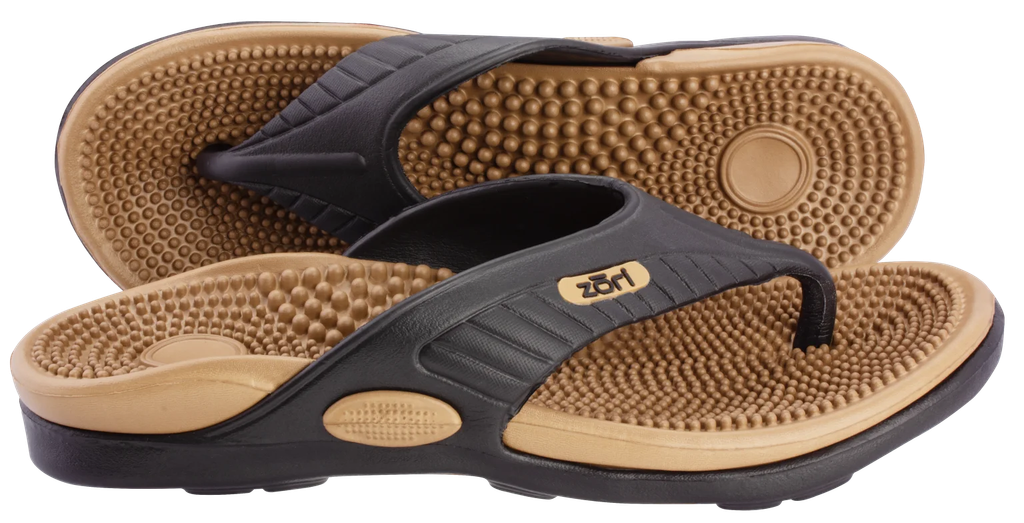
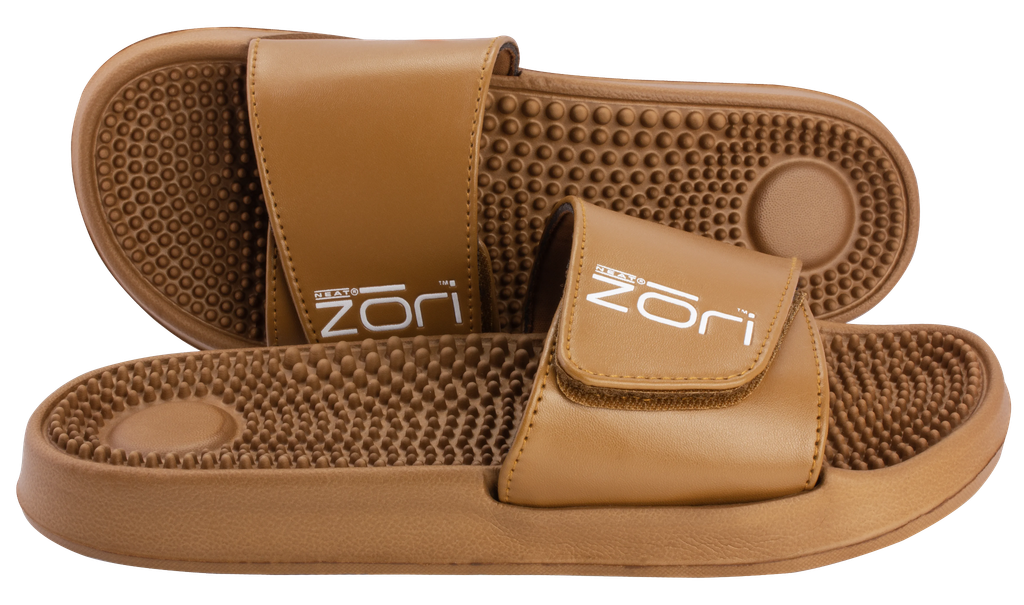
Zori sandals take their name from traditional Japanese zori footwear, but the modern version, like the Neat Zori Orthotic Thongs, is built specifically around orthopedic benefit rather than just looks.
Here’s what typically sets them apart:
1. A Contoured, Supportive Footbed
Instead of a flat sole, Zori sandals are moulded to follow the natural shape of the foot, cradling the arch and supporting the heel rather than letting the foot sit flat and unsupported.
2. Padded, Breathable Straps
Rather than a hard rubber strap that can rub and blister, Zori sandals typically use a padded strap with a breathable top layer, often referred to as an Aquaforte-style material, that moves with the foot instead of against it.
3. A Reinforced Toe Piece
Cheap thongs often use a thin rubber toe post that digs in and causes rubbing between the toes. Zori sandals use a tougher, more structured toe piece designed to reduce that friction over a full day of wear.
4. Durable, Supportive Materials
The rubber and foam used in Zori sandals is generally denser and more supportive than standard thong materials, so the shoe holds its shape and support for longer instead of flattening out after a few weeks.
Side-by-Side: Zori Sandals vs Regular Thongs
| Feature | Regular Thongs | Zori Sandals |
|---|---|---|
| Arch support | Minimal to none | Contoured, supportive footbed |
| Heel cushioning | Basic or none | Padded, shock-absorbing |
| Strap comfort | Hard rubber, can rub | Padded, breathable material |
| Toe post design | Thin, prone to rubbing | Reinforced, less friction |
| Durability | Flattens quickly | Holds shape longer |
| Best suited for | Short, casual wear | All-day wear, sensitive or sore feet |
Who Actually Benefits from the Orthopedic Difference?
Not everyone needs orthopedic-level support just to walk around the house, but for a lot of people, it makes a genuine difference to daily comfort. You’re likely to notice the benefit of Zori sandals over regular thongs if you:
- Spend long periods standing or walking during the day
- Deal with heel pain, arch pain, or symptoms similar to plantar fasciitis
- Have flat feet or feet that tend to roll inward when you walk
- Are recovering from a foot procedure and need gentle, supportive footwear
- Simply want a going-to-the-beach sandal that doesn’t leave your feet sore by the end of the day
If any of that sounds familiar, it’s worth browsing our Foot Support & Treatments range, which covers other common foot issues that better-fitting footwear can help prevent.
Do Zori Sandals Replace Orthotic Insoles?
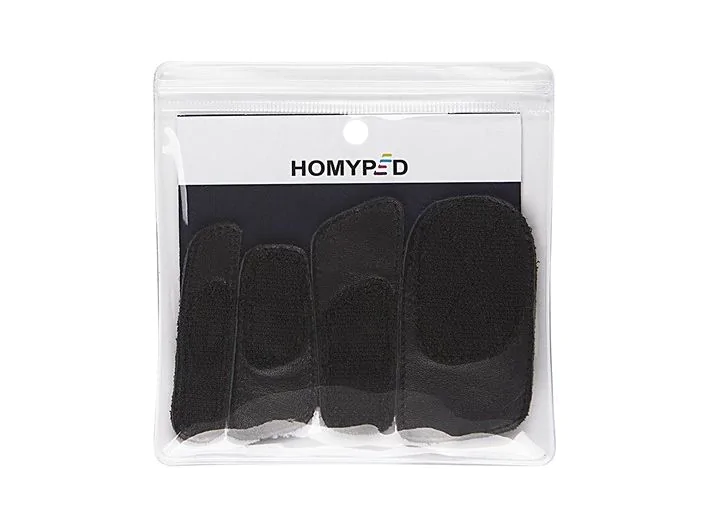
This is a common question, and the honest answer is: not entirely. Zori sandals offer more built-in support than a standard thong, but they’re not a substitute for custom orthotics prescribed by a podiatrist for a diagnosed condition.
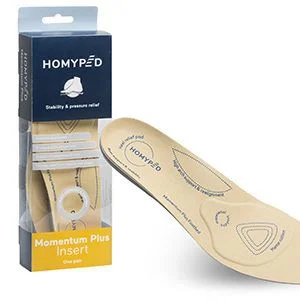
Think of it this way, Zori sandals are a supportive, everyday option that reduces the strain a flat, unsupportive thong would put on your feet. If you have a specific or ongoing issue, it’s still worth chatting to a podiatrist about whether you need additional support, similar to how we’d recommend checking our Homyped orthopedic footwear range if you need more structured, closed-in support for daily wear.
How to Choose the Right Zori Sandal Size and Fit
Getting the fit right matters more with orthopedic sandals than with a basic thong, because the support only works properly if the sandal sits correctly on your foot. When choosing a pair:
- Measure both feet, many people have one foot slightly larger than the other, so fit to the larger foot
- Check the arch position, the raised arch support should sit under the natural curve of your foot, not further forward or back
- Leave a small buffer at the toe, your toes shouldn’t overhang the front edge
- Try them on later in the day, feet naturally swell slightly, so an afternoon fit check gives a more accurate result
Each Neat Zori Orthotic Thongs product page includes a full sizing chart so you can measure and order with confidence.
Are Zori Sandals Worth the Extra Cost?
Regular thongs are cheap for a reason, they’re simple to make and not built to last. Zori sandals cost more upfront, but the value shows up in two ways:
- They tend to last longer, since the denser materials hold their shape rather than compressing flat after a season of wear.
- They reduce the flow-on cost of foot problems, since consistently wearing unsupportive footwear can contribute to arch pain, heel pain, and general foot fatigue over time.
For anyone who wears sandals most of the year, not just on holidays, that’s a reasonable trade-off for the added comfort and support.
Frequently Asked Questions
Many people with mild plantar fasciitis symptoms find Zori sandals more comfortable than flat thongs because of the arch support and cushioned heel. However, if you have a diagnosed condition, it’s best to confirm with a podiatrist whether additional orthotic support is needed.
Yes, they’re designed for regular, all-day wear rather than occasional use, which is one of the main differences from standard thongs.
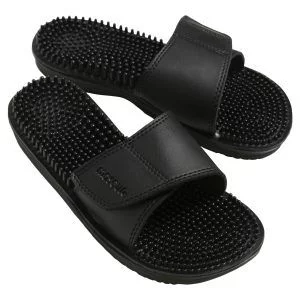
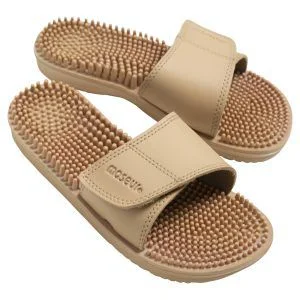
Yes, the Neat Zori range is available in a variety of colours and finishes, including Black, Cognac, Tan massage thongs and Cognac massage slides, so you don’t have to compromise on style to get the orthopedic benefit.
Not at all. While they’re a popular choice for people managing foot pain, plenty of people choose Zori sandals simply because they’re more comfortable for everyday wear, travel, and long days on their feet.
If you need support for casual, warm-weather wear, Zori sandals are a good fit. If you need support for extended walking, work, or a specific medical condition, a fully enclosed option like Homyped Anika or Homyped Snug may be more appropriate.
Final Thoughts
Regular thongs and Zori sandals might look similar on the shelf, but the orthopedic difference becomes obvious the moment you compare a full day in each. If your current thongs are leaving your feet sore, tired, or aching by the afternoon, it’s a sign your footwear isn’t giving your feet the support they need.
Explore the full Neat Zori orthotic thongs range to find a pair that suits your size, style, and level of support.




